Construction projects are complex undertakings that involve multiple stakeholders, tight timelines, strict budgets, and high safety standards. To ensure all these moving parts work together smoothly, a structured management approach is essential. This is where construction project management plays a critical role, providing the framework that transforms ideas and plans into successful, completed structures.
What Is Construction Project Management?
Construction project management is the disciplined process of planning, coordinating, and controlling construction activities from the initial concept through project completion. It focuses on managing people, materials, equipment, schedules, and budgets to deliver a project that meets defined scope, quality, time, and cost objectives.
In simple terms, construction project management acts as the backbone of the construction process. It ensures that every phase—from design and procurement to on-site execution and final handover—is organized and aligned with project goals. A construction project manager oversees this process, making informed decisions, resolving issues, and maintaining communication between owners, contractors, engineers, and suppliers.
Unlike general project management, construction project management is uniquely tailored to the construction industry. It accounts for site-specific risks, regulatory requirements, safety standards, and technical building considerations. By applying proven construction project management techniques, tools, and systems, teams can reduce uncertainty, improve coordination, and achieve consistent project outcomes.
Why Construction Project Management Is Essential in the Construction Industry
The construction industry is inherently complex, with projects often involving numerous trades, strict compliance requirements, and unpredictable variables such as weather, labor availability, and material supply. Construction project management is essential because it provides the structure needed to manage this complexity effectively.
One of its primary benefits is cost control. Through accurate construction project planning and continuous monitoring, project managers help prevent budget overruns and financial inefficiencies. Construction project management also plays a vital role in schedule management, ensuring tasks are completed in the correct sequence to avoid delays that can impact overall project success.
Safety is another critical reason construction management is indispensable. A well-managed project integrates safety planning into every stage, reducing workplace risks and ensuring compliance with industry regulations. Additionally, strong construction project management improves communication and accountability across teams, minimizing errors and rework.
Ultimately, effective construction project management supports construction project success by delivering projects on time, within budget, and to the expected quality standards—outcomes that are essential for long-term success in the construction industry.

The Construction Project Management Process Explained
The construction project management process follows a structured, lifecycle-based approach that guides a project from concept to completion. Each phase serves a distinct purpose, ensuring that responsibilities are clear, risks are managed, and project objectives remain aligned throughout the construction process. By following this systematic framework, construction project managers can maintain control over cost, quality, safety, and timelines.
Initiation Phase
The initiation phase marks the starting point of the construction project management process. During this stage, the project’s feasibility is evaluated to determine whether it is viable from a technical, financial, and operational perspective. Key objectives are defined, high-level requirements are outlined, and initial budgets and timelines are estimated. Stakeholder alignment is also established at this stage, ensuring that owners, designers, and decision-makers share a clear understanding of project goals. A successful initiation phase sets realistic expectations and provides a solid foundation for all subsequent construction management activities.
Planning Phase
The planning phase is one of the most critical stages in construction project management, as it defines how the project will be executed. During this phase, detailed construction project planning takes place, including scope definition, resource allocation, budgeting, and scheduling. Project managers develop a comprehensive plan that outlines tasks, timelines, responsibilities, and cost estimates. Risk assessment is also conducted to identify potential challenges such as material shortages, labor constraints, or weather-related delays. By establishing clear plans and contingency strategies, the planning phase reduces uncertainty and increases the likelihood of construction project success.
Execution Phase
The execution phase is where construction activities move from planning to action. During this stage, labor, materials, equipment, and subcontractors are coordinated according to the project plan. Construction project managers oversee day-to-day operations, ensuring that work is performed safely, efficiently, and in compliance with quality standards. Effective communication between teams is essential to maintain workflow and address issues as they arise. The execution phase transforms project plans into tangible progress, making strong leadership and organization vital to keeping the construction process on track.
Monitoring and Control Phase
The monitoring and control phase runs alongside execution and focuses on measuring performance against the project plan. Construction project managers track schedules, costs, and work quality to ensure objectives are being met. This phase involves managing risks, addressing deviations, and implementing corrective actions when necessary. Tools such as construction project management software and reporting systems help provide real-time visibility into progress. By maintaining continuous oversight, this phase ensures that timelines are protected, budgets remain controlled, and potential issues are resolved before they impact overall project outcomes.
Project Closing Phase
The project closing phase marks the formal completion of the construction project. During this stage, final inspections are conducted to confirm that all work meets contractual and regulatory requirements. Documentation is finalized, including warranties, as-built drawings, and compliance records. The completed project is then handed over to the client, and stakeholder sign-off is obtained. Closing activities also involve reviewing project performance to identify lessons learned. A structured closing phase ensures a smooth transition, client satisfaction, and a clear conclusion to the construction project management process.
Key Roles in Construction Project Management
Successful construction project management depends on clearly defined roles and responsibilities. When each participant understands their scope of authority and duties, collaboration improves, decisions are made faster, and the risk of delays or conflicts is reduced. Defining these roles helps ensure accountability throughout the construction process.
Construction Project Manager
The construction project manager is responsible for leading the project from planning through completion. This role involves coordinating people, resources, schedules, and budgets to ensure the project meets its defined objectives. The construction project manager develops and oversees construction project planning activities, manages costs, monitors timelines, and ensures quality and safety standards are upheld.
In addition to technical oversight, the construction project manager serves as the primary point of communication among stakeholders. This includes working closely with owners, contractors, architects, and engineers to resolve issues and maintain alignment. By balancing leadership, organization, and problem-solving, the construction project manager plays a critical role in driving construction project success.
Construction Manager vs Project Manager
While the terms are often used interchangeably, the construction manager and project manager have distinct responsibilities. A construction manager typically focuses on on-site operations, overseeing daily construction activities, coordinating subcontractors, and ensuring work is performed safely and according to specifications. Their role is more execution-oriented and site-focused.
In contrast, the project manager has a broader, strategic role that spans the entire construction project management process. This includes budgeting, scheduling, risk management, and stakeholder communication. The project manager ensures that the project aligns with overall goals, while the construction manager concentrates on effective field execution.
Supporting Stakeholders in Construction Management
Construction project management also relies on the collaboration of several supporting stakeholders. Project owners provide funding, define objectives, and approve major decisions. Contractors and subcontractors execute the physical work, supplying labor, materials, and expertise. Architects and engineers design the project and ensure technical compliance, while consultants offer specialized knowledge in areas such as safety, sustainability, or cost control.
Together, these stakeholders support construction management efforts by contributing expertise, oversight, and accountability. Clear communication and defined responsibilities among all parties are essential to maintaining efficiency and ensuring successful project delivery.
Construction Project Planning and Control Methods
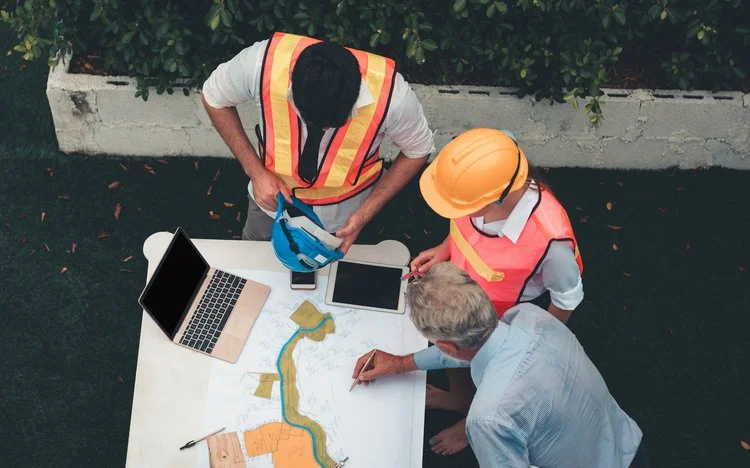
Effective construction project management relies on structured planning and control methods that guide a project from concept to completion. These methods help project managers define clear objectives, allocate resources efficiently, and maintain control over cost, time, and quality throughout the construction process.
Construction Project Planning Fundamentals
Construction project planning fundamentals focus on establishing a clear roadmap for how the project will be executed. This begins with precise scope definition, which outlines what is included in the project and helps prevent misunderstandings or scope creep. Clearly defining deliverables, responsibilities, and expectations ensures that all stakeholders share the same vision.
Another essential element is the creation of a work breakdown structure, which divides the project into manageable tasks and activities. This structured approach improves coordination, scheduling accuracy, and accountability. Resource allocation is also a key planning component, ensuring that labor, equipment, and materials are available when needed. By aligning scope, tasks, and resources early, construction project planning creates a strong foundation for efficient execution and long-term project success.
Scheduling and Cost Control Techniques
Scheduling and cost control techniques are critical for keeping construction projects on time and within budget. One of the most widely used methods is the Critical Path Method, which identifies task dependencies and determines the sequence of activities that directly impact the project timeline. This allows construction project managers to prioritize critical tasks and anticipate potential delays.
Budgeting and forecasting are equally important, as they provide financial visibility throughout the construction project management process. Accurate cost estimates, combined with regular financial forecasting, help managers detect variances early and implement corrective actions. Progress tracking ties scheduling and cost control together by measuring actual performance against planned benchmarks. Through consistent monitoring and analysis, these techniques help maintain financial discipline and ensure predictable project outcomes.
Construction Project Management Tools, Software, and Systems
Modern construction projects increasingly rely on digital tools and technology to manage complexity and improve efficiency. Construction project management tools, software, and systems support better communication, transparency, and decision-making across the construction industry.
Construction Project Management Tools
Construction project management tools provide practical support for organizing and coordinating daily project activities. Common tools include Gantt charts, which visually represent schedules and task dependencies, making it easier to track progress and identify bottlenecks. Scheduling systems help manage timelines, labor assignments, and equipment usage, ensuring work flows efficiently.
Documentation tools are also essential, as they centralize contracts, drawings, reports, and change orders. By maintaining accurate and accessible records, these tools reduce errors, improve accountability, and support compliance throughout the construction process.
Construction Project Management Software
Construction project management software expands the capabilities of traditional tools by providing cloud-based platforms for real-time collaboration and control. These solutions allow teams to share project data, update schedules, track costs, and generate reports from a single system. Cloud access enables stakeholders to view progress and communicate regardless of location, improving coordination across job sites and offices.
By integrating scheduling, budgeting, and reporting features, construction project management software enhances visibility and supports faster, data-driven decision-making, contributing to improved project performance.
Construction Project Management Systems
Construction project management systems bring together people, processes, and data into a unified framework. These integrated systems connect planning, execution, monitoring, and reporting functions, creating a single source of truth for the project. By aligning workflows and information, construction project management systems reduce fragmentation and improve consistency across teams.
As projects grow in scale and complexity, these systems play a vital role in supporting collaboration, standardization, and long-term efficiency within the construction industry.
Essential Construction Project Management Skills and Techniques
Beyond processes and tools, successful construction project management depends heavily on human and strategic capabilities. Construction projects involve constant coordination, rapid decision-making, and problem resolution, making strong leadership and proven management techniques essential for achieving consistent project outcomes.
Core Construction Project Management Skills
Effective construction project managers rely on a combination of leadership, communication, problem-solving, and decision-making skills. Leadership is essential for guiding diverse teams, setting clear expectations, and maintaining motivation across the project lifecycle. A strong leader fosters collaboration while ensuring accountability among contractors, subcontractors, and stakeholders.
Clear communication is equally critical, as construction projects involve multiple parties working simultaneously. Project managers must convey plans, changes, and expectations accurately to avoid errors and delays. Problem-solving skills enable managers to address unexpected challenges such as material shortages, design changes, or scheduling conflicts. Finally, sound decision-making allows construction project managers to evaluate risks, balance competing priorities, and take timely actions that keep the project moving forward and aligned with its goals.
Construction Project Management Techniques
Construction project management techniques provide structured methods for maintaining control and consistency throughout the project. Risk management is a key technique that involves identifying potential issues early and developing strategies to reduce their impact on cost, schedule, and safety. This proactive approach helps minimize disruptions during construction.
Change control is another critical technique, ensuring that any modifications to scope, design, or budget are formally evaluated and approved before implementation. Quality assurance techniques focus on maintaining construction standards through inspections, testing, and compliance checks. Safety planning integrates regulatory requirements and best practices into daily operations, helping protect workers and reduce incidents. Together, these techniques support stability, predictability, and long-term construction project success.
Best Practices for Construction Project Success
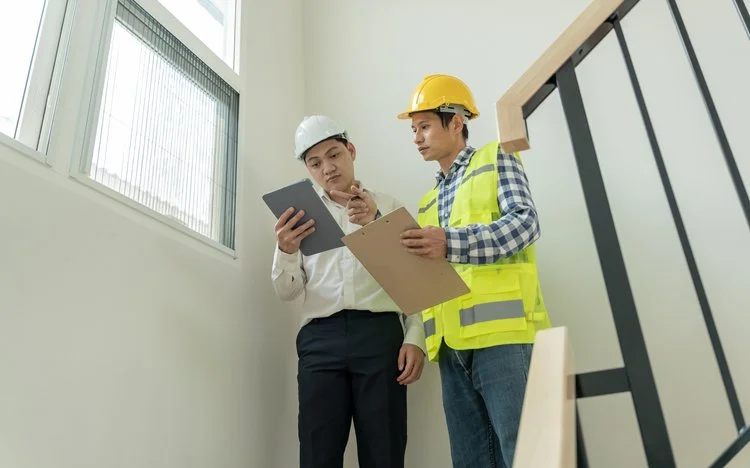
Applying best practices helps translate construction project management knowledge into measurable results. These proven approaches improve efficiency, reduce risk, and support consistent delivery across projects of varying size and complexity.
Aligning Scope, Budget, and Schedule
Aligning scope, budget, and schedule is essential to preventing scope creep and cost overruns. This best practice begins with clearly defining project requirements and establishing realistic timelines and budgets. Construction project managers must continuously compare actual progress against planned objectives to identify deviations early. When changes occur, evaluating their impact on cost and schedule helps maintain balance and prevents uncontrolled growth that can jeopardize project success.
Communication, Safety, and Risk Management
Strong communication, safety, and risk management practices are fundamental to effective construction management. Transparent communication ensures that stakeholders remain informed and aligned throughout the project. Regular updates, meetings, and reporting reduce misunderstandings and support faster decision-making.
Safety management is equally important, as construction sites present inherent risks. Integrating safety planning into daily operations helps maintain compliance and protect workers. Ongoing risk management allows teams to anticipate challenges and respond proactively, reducing disruptions and supporting a safer, more efficient construction environment.
Leveraging Technology for Better Outcomes
Leveraging technology has become a best practice in modern construction project management. Construction project management software and systems improve efficiency by centralizing schedules, budgets, documents, and communication. These tools provide real-time visibility into project performance, enabling quicker responses to issues and more informed decision-making.
By using technology to streamline workflows and enhance collaboration, construction teams can reduce errors, improve productivity, and deliver higher-quality outcomes across the construction process.
Conclusion: Why Construction Project Management Matters More Than Ever
Construction projects today are more complex than ever, involving tighter budgets, stricter regulations, advanced technologies, and higher expectations from stakeholders. In this evolving environment, construction project management plays a vital role in bringing structure, accountability, and clarity to the construction industry. It provides a systematic approach to planning, coordinating, and controlling every phase of a project, ensuring that objectives are clearly defined and consistently achieved.
By applying proven construction project management processes, tools, and techniques, organizations can deliver predictable outcomes in terms of cost, schedule, quality, and safety. Strong construction management improves collaboration among owners, contractors, designers, and suppliers, reducing miscommunication and minimizing costly errors. It also supports informed decision-making, allowing teams to adapt to change while maintaining control over project performance.
As the construction industry continues to grow and evolve, the importance of skilled construction project managers and effective management systems will only increase. Ultimately, construction project management is not just about completing projects—it is about building trust, improving efficiency, and creating long-term value through successful project delivery.
Frequently Asked Questions About Construction Project Management
What Is Construction Project Management in Simple Terms?
Construction project management is the process of organizing and overseeing all aspects of a construction project from start to finish. It ensures that a project is completed on time, within budget, and according to quality and safety standards. This includes planning the work, coordinating teams, managing costs, tracking progress, and solving problems as they arise. In simple terms, it is the system that keeps a construction project running smoothly and prevents delays, confusion, and unnecessary expenses.
What Does a Construction Project Manager Do?
A construction project manager is responsible for leading the entire construction project management process. Their duties include creating project plans, managing schedules and budgets, coordinating contractors and subcontractors, and communicating with stakeholders. They also monitor progress, address risks, ensure safety compliance, and make decisions that keep the project aligned with its goals. The construction project manager acts as the central point of accountability, balancing technical, financial, and operational responsibilities to achieve construction project success.
What Are the Main Phases of the Construction Project Management Process?
The construction project management process typically consists of five main phases: initiation, planning, execution, monitoring and control, and project closing. Initiation focuses on feasibility and goal setting. Planning defines scope, budget, schedule, and risks. Execution involves carrying out the construction work. Monitoring and control ensure performance stays on track, while project closing includes final inspections, documentation, and handover. Together, these phases provide a structured framework for managing construction projects effectively.
What Tools and Software Are Used in Construction Project Management?
Construction project management uses a wide range of tools and software to improve efficiency and control. Common tools include Gantt charts for scheduling, cost-tracking spreadsheets, and documentation systems for contracts and drawings. Modern construction project management software goes further by offering cloud-based platforms that integrate scheduling, budgeting, reporting, and collaboration. These tools provide real-time visibility, reduce errors, and help teams make faster, data-driven decisions throughout the construction process.
Why Is Construction Management Important for Project Success?
Construction management is important because it reduces uncertainty and brings structure to complex projects. Without effective construction project management, projects are more likely to experience delays, budget overruns, safety incidents, and quality issues. Strong management ensures clear communication, defined responsibilities, and proactive risk control. By aligning scope, schedule, and cost, construction management increases efficiency and improves the likelihood of delivering successful outcomes for clients and stakeholders.
What Skills Are Required to Succeed as a Construction Project Manager?
To succeed as a construction project manager, a combination of technical knowledge and soft skills is essential. Key skills include leadership, communication, problem-solving, and decision-making. Project managers must also understand construction methods, budgeting, scheduling, and risk management. Familiarity with construction project management tools and software is increasingly important. These skills enable project managers to handle complexity, adapt to change, and lead teams toward consistent construction project success.